
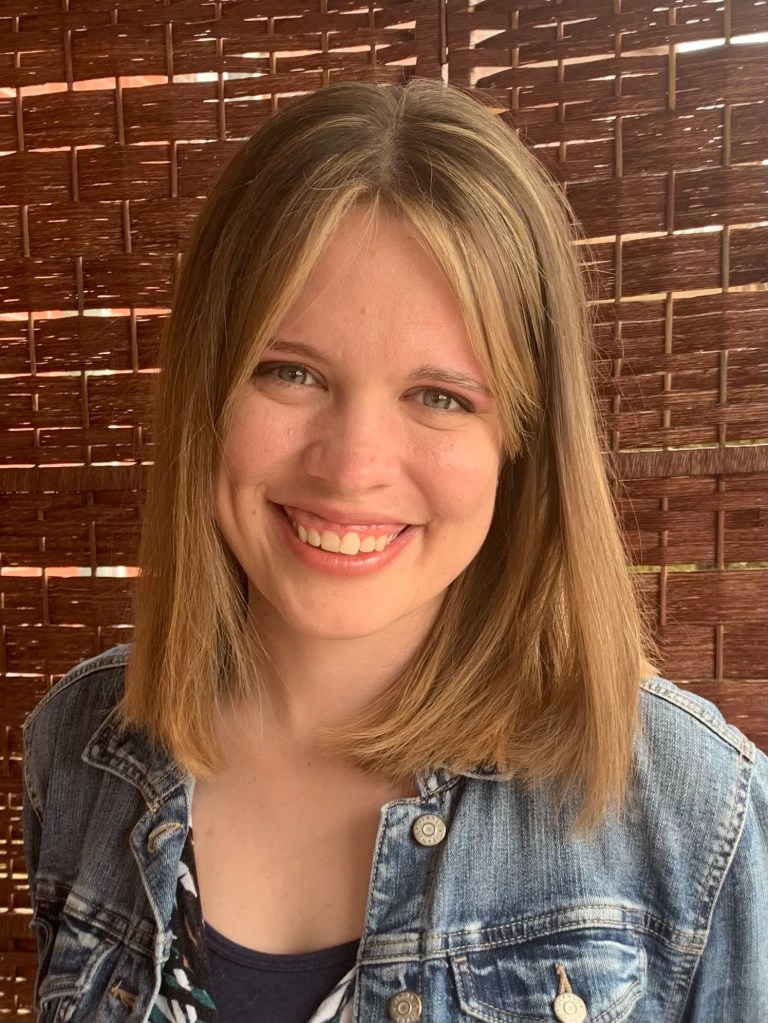
This guest blog was written by Pastor Nicole McLeod, who was a respondent in a recent webinar on the book Blessed are the Undone. She currently serves as one of the pastors at Hope Fellowship Church in Courtice, Ontario. Through her ministry she seeks to create space for people to encounter God and learn to pay attention to how he is at work in their daily lives. Outside of ministry, Nicole enjoys playing board games, writing songs, and spending time with her husband and almost two-year-old son.
I (Peter) will be on a one-week book tour in the lower mainland of B.C. next week, and some promotions of the larger book tour are available here. You can see a previous post on this book with many links to reviews and podcasts here.
I had a conversation with a friend the other night and we started talking about church. She grew up Catholic, but hasn’t been to church in awhile. Over the course of our conversation we moved from the topic of faith and science to the involvement of church with colonialism and residential schools to the impact of purity culture’s messages to the church’s response to the LGBTQ+ community to recent scandals surrounding clergy sexual abuse. Our conversation seemingly wove its way chapter by chapter through topics covered in Angela Reitsema Bick and Peter Schuurman’s book Blessed are the Undone.
That’s just one example of a time this past year where I’ve found myself grateful for having read this book. In a changing cultural landscape that can be disorienting and confusing, Angela and Peter provide a guide to help orient. Blessed are the Undone provides a way to make sense of what my friend and so many others have gone through. It tells the stories of those who have deconstructed aspects of faith in a graceful way that fosters empathy, compassion and respect.
Within the pages of this book we find both the beauty of all that the church is called to be and the painful truth of the hurt that church has so often caused. In the midst of it all, we find hope. The words of Blessed are the Undone lay a hope-filled foundation that gives permission for all who read it to see letting go of parts of the traditions that raised them, seeing the letting go as a necessary and healthy part of growing in faith.

Near the beginning of the book Angela and Peter name the tendency for the topic of “deconstruction to elicit an apologetic reaction, a knee–jerk attempt to defend the faith in the face of an apparent threat” (p. 17). I appreciate that Blessed are the Undone takes a more nuanced and holistic approach to deconstruction. What if questioning and deconstructing aspects of faith wasn’t something to be feared, but actually can be seen as an avenue for growing in faith? Blessed are the Undone puts it this way:
Change cannot be avoided. An alive, growing, culturally engaged faith cannot remain static or it will be stunted in its constant quest for self-preservation. It will suffer the pains that come with denying and avoiding the issues that inevitably arise in any community. Even orthodoxy needs fresh restating and contextualizing to the cultural moment. It is our firm conviction that some sort of deconstruction is normal for growth–whether it takes the shape of falling away, repentance, or the quiet reconstruction that we call sanctification (p. 33).
Hearing the voices of others deconstructing aspects of their faith gives a path forward for all those with similar questions. It has allowed me to personally wrestle with some of the things I learned growing up as a missionary kid surrounded by an evangelical Christian subculture. Through the stories within these pages I’ve found permission to let go of things I believed as a child that I have come to see are not true.
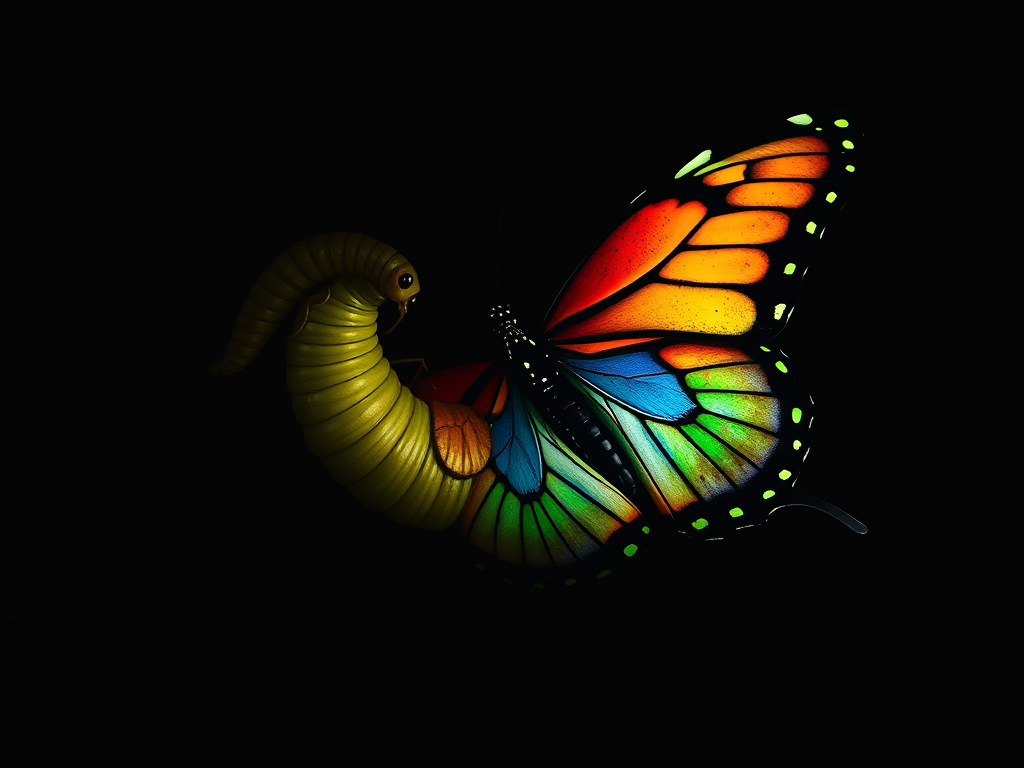
I have also been equipped to do a better job of walking alongside those, like my friend, who have been on their own journey of deconstruction. This journey is often one of pain and loss as those who deconstruct find they no longer belong in communities or places that once felt like home. In a chapter describing the liminal landscape, Angela and Peter acknowledge the pain and grief and share that “writing this book is a way to wrestle meaning out of deconstruction” (p. 114). They quote David Kessler who says “meaningful connections can heal painful memories” (p. 114). Once again Angela and Peter offer hope as they share that “liminal doesn’t mean just stalled and run aground: it means being in process, like in a cocoon. It’s an opportunity for metamorphosis. What you were before is not who you are after a liminal period” (p.114).
Blessed are the Undone is a gift to the church. In an increasingly polarized culture, this book invites us to experience the beauty and brokenness of real-life stories with their nuances and subtleties. In the introduction, Angela and Peter write:
We seek both truth and grace. Pastorally, drawing rigid lines through messy lives seems unwise. Maybe this is Canadian, too, looking for a middle way. In a polarized age, we seek to make “a positive commitment to living with the productive discomfort of differences as a reflection of the grace of God.” We hope that you, while you read, can lean into that space, too (p.18).
The way the stories are shared and framed within Blessed are the Undone invites the reader to enter into that space in a way that expands one’s capacity to inhabit a similar space with friends, family, and acquaintances. It fosters a culture of grace, humility, courage, and compassion. I am grateful for this book being written at such a time as this.

 Sensus Divinitatis