
This is an adapted sermon I preached at New Life Christian Reformed Church on Dec. 28th, 2025.
I asked our congregation from the pulpit about some favourite Christmas traditions. One lady shared that in another town her congregation had sung carols in the local hospital hallways. After one round of “Hark, the Herald Angels Sing” an older gentleman came out of a room nearby. “Thank you so much,” he said. “My wife had been holding on for days, but when she heard the singing, she was able to let go.”
Traditions like this can be warm and cozy, flooding us with mostly warm memories. “We have Christmas ornaments that carry memories and friendships from the last 25 years,” said another congregation member.
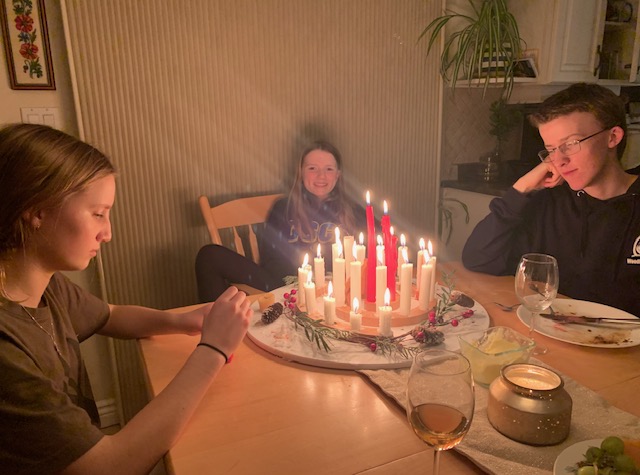
We just had a wonderful candlelight Christmas Eve service last week. On one of the darkest days of the year, we celebrate and share the coming of the Light into our world.
Traditions connect us to family, friends, ancestors, culture, nature, and even God. They tell us who we are, give us an identity, and a meaningful structure for our lives. But other traditions might feel confining, or maybe like empty rituals, and be treated like sacred cows that cannot be changed because we are so emotionally bonded to them that we can’t let go.
Some traditions can be a prison we choose to live inside.
Are traditions good and healthy or limiting our true potential? Which is it? Too often in Christian circles we confuse our comfort with Scriptural faithfulness. Or the opposite: we confuse novelty with the Holy Spirit’s leading. How do you know? I’m going to suggest arguing about tradition may keep us from the twin dangers of traditionalist confinement and modern individualist disintegration.
Jesus vs. Paul?
I want to look at two proof-texts from the Bible that at first appear contradictory, and then show how when we look at the context of the verses there is some genuine harmony. The first text is straight from the mouth of Jesus in Matt 15:6: “And so you cancel the word of God for the sake of your own tradition. 7 You hypocrites!”
Tradition according to Jesus here is an obstacle, a burden, and a shield against God’s best designs.
So let’s read another Bible text out of context, this time from Paul.
“So then, brothers and sisters, stand firm and hold on to the traditions we taught you, whether we taught you in person or through our letter.” (2 Thess 2:15)
Now we will get into the context of these verses, but it does seem like Paul is contradicting Jesus: tradition is a support to faith, yet Jesus says the traditions of the elders make void the law of God.
What we need to realize is that the notion of tradition can be multi-faceted: for traditions are the building blocks of human life and culture, and there is no avoiding them; but they can be oppressive and even distract from life and faith, and the key is to discern the tradition and reform it as the Spirit leads.
Roots Uprooted
Tradition can be a synonym for roots. Jewish Christian philosopher Simone Weil wrote: “To be rooted is perhaps the most important and least recognized need of the human soul.” Our roots are our traditions, which connect us to ancestors, texts, land, and communal practises.
One common practise at the end of the year is to look back on all the events of the previous year and try to find themes, trends, or patterns. TIME magazine calls 2025 the year of the “architects of AI.” It was also a year of deeper polarization, tariff wars, and intensified military conflicts. Tradition is like this exercise: it enables us to look back, to see where we came from, and to pray and give thanks. Tradition reminds you who you are, and gives you a past, a place, a people, and a prayer.
Those four “Ps” are from Paul Kingsnorth’s new book Against the Machine. He suggests the modern world has just become one relentless Machine, a system buzzing with wires and waves, greedy for money, speed, and power, and it distracts us with flashing lights while it destroys culture, nature, and our connection to God—in other words, our connections to the past, to place, to people, and to prayers. It uproots our home, both our geographical and spiritual home. Instead, he says the Machine gives us scientism, the self, sex, and screens: easy, materialistic, artificial replacements to tradition.
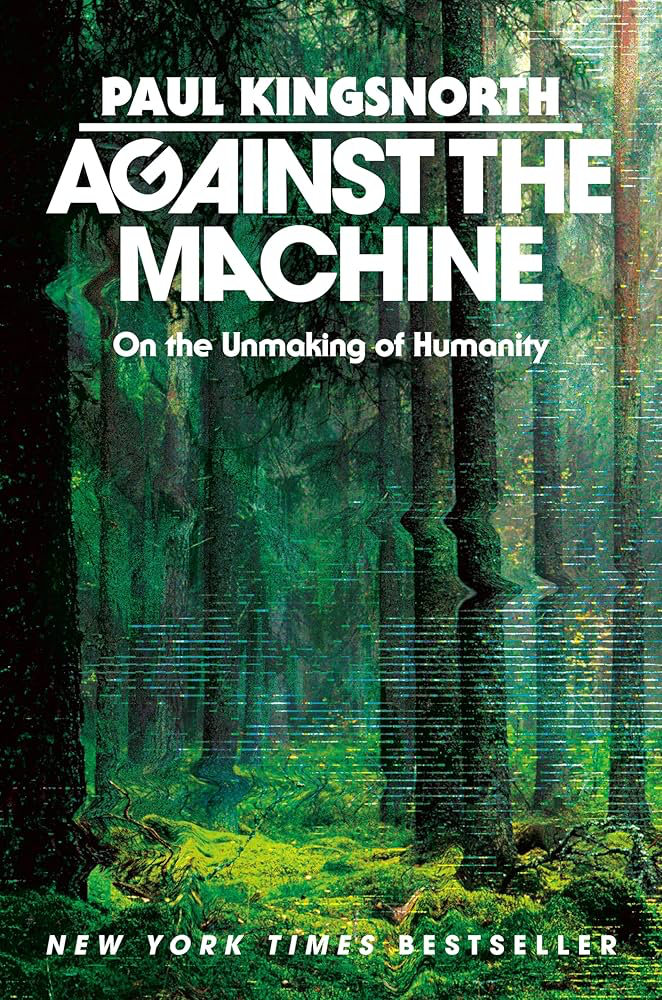
If tradition is our spiritual home, connecting us to God, nature, and each other, then the modern Machine is breaks it all down. Scientistic materialism gives us lowered horizons, a focus on the autonomous self eclipses our natural belonging, a sacred individualized sexuality turns us further inward, and screens, screens, and more screens distract and divert our attentions from our true calling. This global machine covers the planet like a tight grid, and it’s no wonder we call it the web, the ‘net. The Machine acts as an anti-tradition tradition that uproots, disconnects, and dissipates.
Now we usually focus on faith as Protestant Christians, our own experience of trust in God. That is the basic reality of church for us: a faith encounter with the living God. But it is very much a communal activity. In fact, faith creates traditions so that tradition can nurture faith. Tradition is the expression of past faith in the present for the sake the future. It is our spiritual inheritance to pass on to the next generation. “Tradition” literally means “to hand down.” What G.K. Chesterton called the democracy of the dead–giving a vote to your ancestors.
Think of these touchstones: God, creation, law, covenant, kingdom, grace—these notions have been handed down to us by our spiritual ancestors, going all the way back to Jesus, who connects us back to Abraham, Isaac, and Jacob. Tradition opposes modern amnesia and its chronological snobbery, giving us a sense of belonging in history.
Tradition as Oppressive
Yet: Jesus was wary of tradition. Again, Jesus did say, “And so you cancel the word of God for the sake of your own tradition. 7 You hypocrites!” (Matt. 15:6).
Here’s the facts: sometimes tradition can be oppressive. Traditions can be legalistic obstacles, and we even describe such occurrences as Pharisaical because that’s the group of people Jesus was talking to in the text. The Pharisees and teachers of the law had religious power. They depended on the Old Testament laws as the rule for life, but they would make up extra laws around the laws of Moses, like extra fences so that you wouldn’t even get near breaking the law.
In Matthew 15 the Pharisees are complaining to Jesus “Your disciples are not washing their hands! They are breaking the traditions of the elders!”
What they are doing, Jesus explains later in Matthew, is this: they strain out a gnat and swallow a camel! (Matt. 23:24)
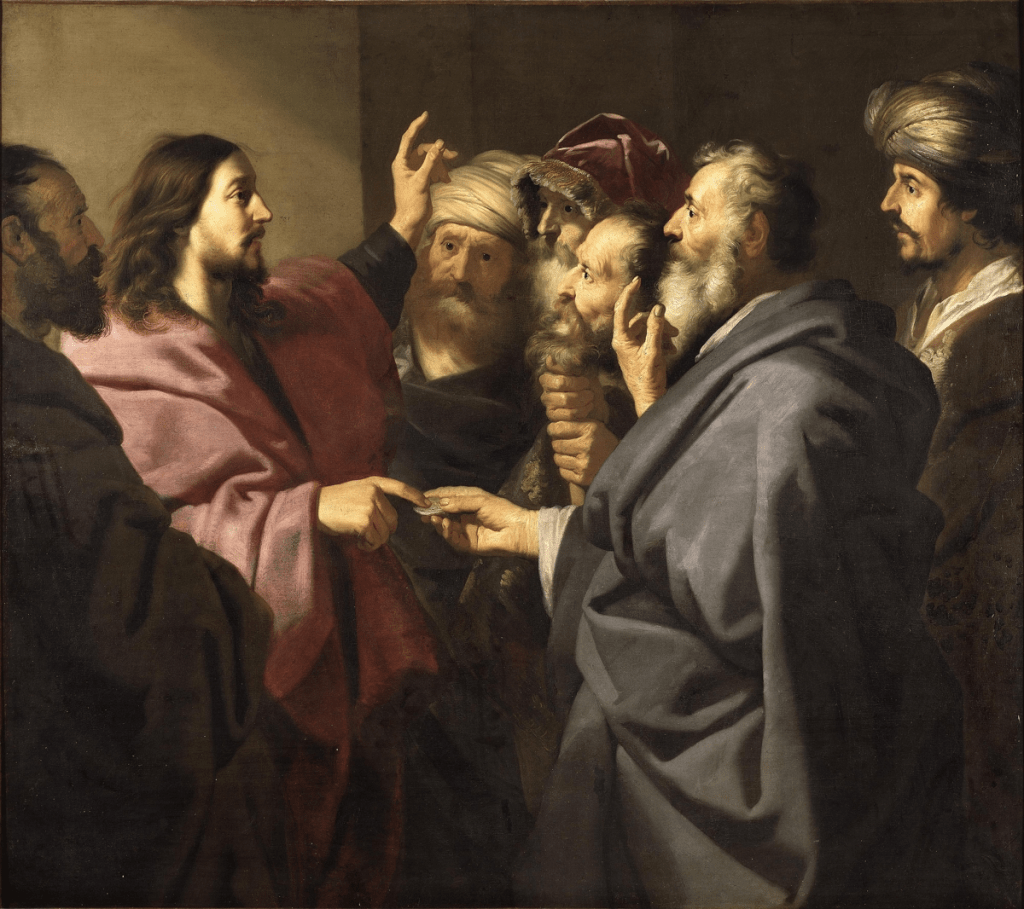
What Jesus does here though is ignore their complaint about hand-washing to make a larger point: the Pharisees conveniently dismiss the command to honour your father and mother, saying that an offering to the temple is just as good. So Jesus effectively says, “Your oral tradition, the tradition of the elders, actually nullifies the law of God, one of the ten foundational commandments!”
So there are two traditions, really, being named here. One is the interpretations and applications of the Pharisees, which we might call small “t” traditions, and the other is God’s law, his design for creation and what makes up the kingdom of God, what we could call capital “T” Tradition. The human improvisations, small “t” traditions, should not cancel out the divine commands, capital “T” Tradition of the kingdom, which culminates in love, the greatest commandment.
If they do, and such small “t” traditions accumulate, Jesus says to the Pharisees in Matthew 23, “You load burdens on people’s backs and don’t lift a finger to help.” Such traditions are anti-faith rather than nurturing faith. They are legalistic, onerous, and thus oppress the people. The law of God is meant to give life, and life not just to individuals, but to the community as a whole. Not keep them weighed down.
Think of petty rules that comes with religious life. Dressing up in a suit or dress, starting a service exactly on the hour, keeping children silent and still, dunking people exactly 3x for baptism, having coffee after the service–some of these are great, but they are not in the 10 commandments. Some days it feels like they are, though.
Now let’s go from the trivial to the tragic. Some human traditions have been full scale disasters. Slavery, apartheid and racial segregation were traditions (even in church!) and continue to be such in some places of the globe. Child labour, domestic abuse, nationalism, tribalism and backroom deals with the ol’ boys clubs are traditions, too. Traditions are activities people repeat over time because “this is the way we do things around here,” and sometimes there is a foul peer pressure to mindlessly and even cruelly perpetuate what crushes life rather than what makes it flourish.
Our faith’s roots should lead to healthy shoots and nutritious fruits, not thorns and thistles. Not poison berries for the children.
Jesus says ill-conceived human innovations, small “t” traditions, can cancel out God’s biggest commands, the capital “T” Tradition that brings us to church and which our spiritual ancestors deeply wished to pass down to us: Jesus Christ and his kingdom of shalom.
There is a text in earlier in Matthew that says Jesus looked at the people, and had compassion on them, because they were “harassed and helpless” like sheep without a good shepherd. (Matt. 9:36) They were being beaten down by two traditions: the legalistic conservatism of the Pharisees, and the liberalism of the Sadducees, who were in league with the Roman Empire and all its subjugating laws. There are both old and new traditions of trouble.
Tradition is Supportive
Notice: Jesus isn’t against all tradition, he just doesn’t want petty traditions blocking out faith, faith in the capital “T” Tradition of Messianic Judaism. He says the Pharisees are nullifying the law of God with petty rules.
So then our second text makes more sense. Paul says, “So then, brothers and sisters, stand firm and hold on to the traditions we taught you, whether we taught you in person or through our letter.” (2 Thess 2:15).
What tradition is that? The apostolic tradition around faith in Jesus. Canadian theologian Richard Longnecker said the first confession of faith in the early church was three words: “Jesus is Lord.” Paul was teaching about that faith, and one part of that faith tradition, as we just saw, is to be wary about tradition. The Messiah has come! Things have changed! Not all tradition is created equal.
Let’s look at the context to this text—just before Paul’s exhortation—we find that there is trouble in Thessalonica. There are deceptive rumours about a certain “man of lawlessness” coming on the scene, and this Anarchist (as The Message translates it) will offer tantalizing spectacles that make lies attractive to people. The Anarchist’s media is all fake, partnered with Satan in fact to create a post-truth world, a world of anomie. It is in the midst of this fantastic world of illusions and deceit that Paul says:
“So then, brothers and sisters, stand firm and hold on to the traditions we taught you.” In The Message it reads: “So, friends, take a firm stand, feet on the ground and head high. Keep a tight grip on what you were taught.”

So when you live confronted by a constant billboard of seductive images that intend to distract you from the law of God toward a lawless lifestyle, hold onto tradition—the teachings of Jesus, the Word of God, which brings life and health and joy.
We might put it this way today: when the Machine offers dazzling displays of scientism without spirit, self-focus without community, sex without covenant, and screens that lure you into their never-ending vortex—well, then, keep a tight grip on the past, people, place, and prayers that were handed down to you. Like ancient Esau, don’t give up your inheritance for a mess of pottage of instant gratification.
In Against the Machine Paul Kingsnorth sadly writes: “The West is my home—but the West has eaten my home… (163) [because] the ultimate ambition of the machine [is] the abolition of home.” (183)
Anchor in the Storm
Protestants like to think that Scripture is their only tradition, and they fool themselves. Catholics and Orthodox maybe overdo it, but they certainly have a sense for the gift of Tradition. Good tradition can be the anchor in the storm, a reference point to orient yourself by in the midst of the current spiral of confusion and chaos in our culture.
Here’s a case in point: not at every graveside, and cremation is a different story, but it is a tradition to stand around the grave and gaze into that hole in the ground as the coffin lowers. In some cases, that is not just a hole, but due to some cruel and untimely human tragedy it can feel more like a bottomless abyss. The Void.
There we stand, with tears in our eyes wondering why, how, and whether we can go on, and people hold hands. In my tradition, the pastor will often ask those gathered: “What is your only comfort in life and in death?” (From the Heidelberg Catechism Q&A#1). The people then respond: “That I am not my own, but belong, with body and soul, both in life and in death, to my faithful Saviour Jesus Christ…”
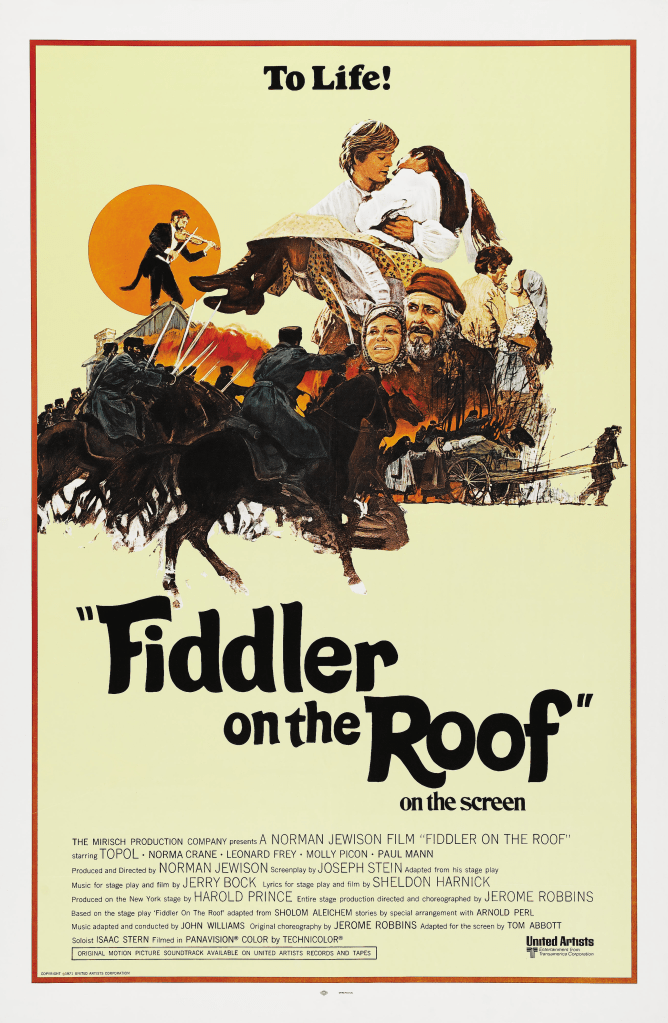
When your life feels like it has completely shattered, and your knees give way beneath you, traditions remain, holding up you up, like helping hands under your armpits, surrounding you with a cloud of witnesses, both living and dead. Tradition is what gives balance to a Fiddler on the Roof, as he dances on the shifting slopes of cultural and political upheaval. It seems to me in the famous movie of that old play, the main character Teyve’s family breaks apart. The winds of modern change, a combination of a romantic individualism and revolutionary communism, disintegrate the family, displaces his people, and denigrate their Jewish prayers.
Here is the facts: you can’t live without tradition or some facsimile of it: whether its fads or fashion, self-help or brand loyalty—some thing will structure your life and give it some sense of coherence. Even being anti-tradition is a tradition in the Western world; it is in fact the dominant tradition today, our inheritance from the Enlightenment. But the notion of autonomy it bequeathed us is most certainly an illusion. We can’t live without others, living and dead.
We need tradition like we need skeletons. Tradition is the scaffold of our lives, the frame that helps us keep God, nature, and community together–especially when everything else feels like its falling apart.
Arguing Our Traditions
Tradition can be oppressive and supportive, it can bind us or bond us. What we need to do is discern what all is included in the capital “T” tradition, which can be tricky (!) and then discern what small “t” traditions to keep, which to discontinue, and what new ones to begin.
I’m talking about reform. My church tradition is called Reformed, because we seek to always be re-forming, according to the revelation of God in nature and scripture, led by the Spirit. Baked into our tradition is the very notion that tradition has changed (at least in the 16th century) and needs to be continually changing.
Think about this: Jesus himself was the fulfillment of generations of traditions around a Messiah. He fulfilled and re-interpreted Tradition capital “T” in significant ways, as the New Testament is a world of difference from the Old.
The huge change in Tradition is evident in our second passage from Paul—from the simple reality that he’s writing to Thessalonians—mostly Gentiles! That is a whole new interpretation of the Tradition capital “T”. Momentous. Here is the historical reality: Christianity brings Messianic Judaism to Gentiles all around the world.
So there can be big changes. Yet the core of Tradition capital “T” is still the same: God, creation, scripture, covenant, kingdom, grace. Not Christianity, but Christ at the centre. Our understanding of it all needs reform as our context shifts, because we have this treasure in jars of clay. We can get it wrong.
There is a very insightful definition of tradition from philosopher Alasdair MacIntyre (After Virtue), who converted from Marxism to Catholicism. He said tradition is an ongoing conflict about the core of our inheritance. He states that tradition is essentially a “historically extended, socially embodied argument.”
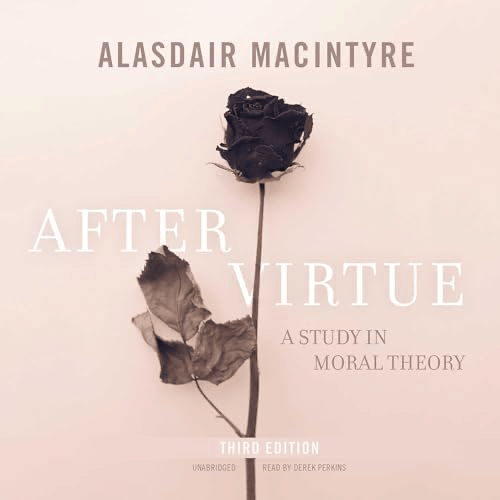
To keep a tradition alive and from becoming idolatrous traditionalism, you have to keep talking about it, re-charging it. It shouldn’t simply adapt to current fads and fashions: but it must respond to them, in a counter-cultural, contextualized way. Innovations are inevitable, and they require discernment. Together.
Traditions always change through arguments. The 16th century was a momentous reformation of faith. Part of that legacy has been an under-acknowledged shift: towards lay leadership in congregational life and worship. Sometimes all a pastor does these days is preach in a worship service! Not only that, but a cappella singing and organs have given way to a band to expand our musical repertoire. Women are now pastors in many churches, to further employ their gifts. Some churches emphasize a land acknowledgement, connecting people to our land and its history. The meaning marriage is now an argument in some sectors of the West. The arguments continue, and they continue because we care about our faith, our encounter with our Source, our Guide, and our Goal—God himself. Our life goal is to draw near unto God, and we will always argue about how best to do that.
Hopefully, we argue humbly, recognizing that we could be wrong. Whether we are like conservative Pharisees or liberal Sadducees, we see life through fogged-up glasses (1 Cor 13:12).
Another thing: our arguments must show some continuity with the core, the Word of God in Jesus. If there is no continuity with the core, then we are talking about a different tradition and a break with the past, people, places, and prayers of the faith.
The Word of God in all its revealed elements is beckons our faith, our trust. Tradition is the expression of faith from the past in the present for the sake of the future. Faith creates traditions so that those traditions can nurture future faith. But there is one more thing any good tradition must do: offer a vision of the future, and give some hope. Theologians call it the eschatology of your tradition. Faith doesn’t just look back, but also looks ahead to a kingdom coming.
Looking Ahead
So let’s look ahead. “The Architects of AI” were TIME magazine’s persons of the year for 2025. Technology will continue to challenge us and will continue to cause chaos, especially in the world of education. Tariff wars and culture wars will continue, as will global weirding. Superpowers will do their best to destabilize other communities, because that is what they do best.
What about in our local, community life? Here is the question: What traditions will we keep, what will we leave behind, and what new traditions can we cultivate? My thought: some sort of real-life mindfulness is in order—deliberate practises that turn us from the black mirrors in our hands and toward the real, live, faces of others in our midst. That is the best way to offer robust traditions that mitigate our chronic loneliness and connect us to each other, nature, and God. Maybe the old church potluck is one great example of a good tradition. The table is as central a symbol to Christianity as the cross.
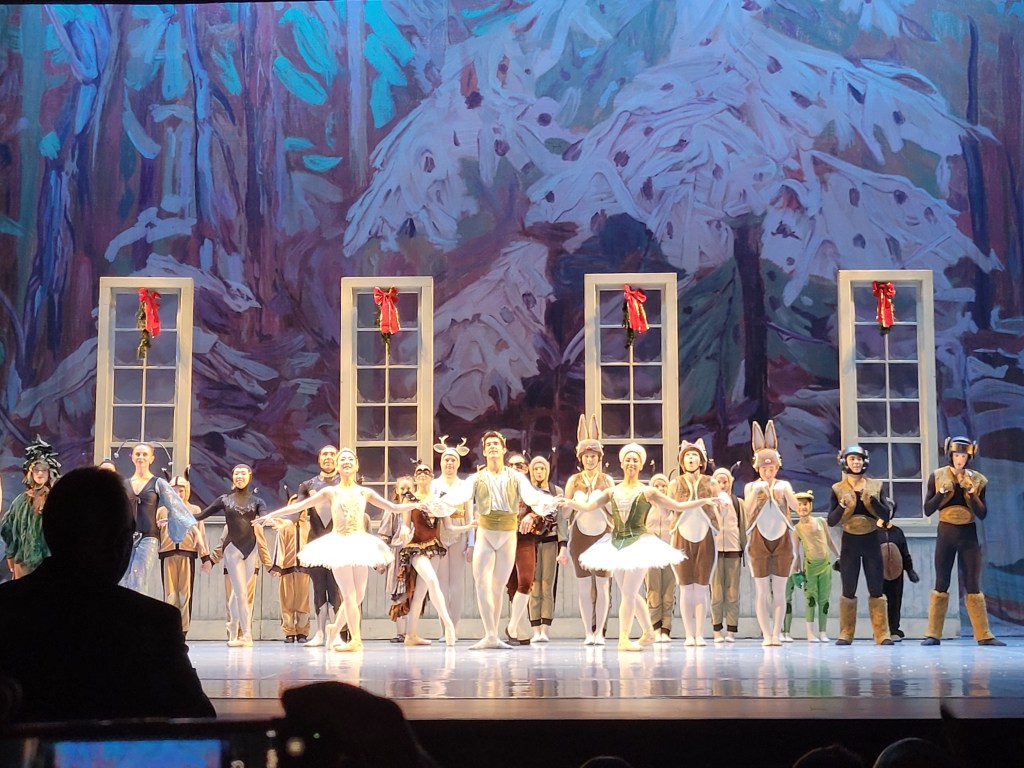
This is another way to think of New Year’s resolutions: not as individualistic improvement programs, but as new traditions, we do together.
In conclusion, we need to continue to argue about our Tradition and traditions, keeping the practises that help us flourish, and letting go of those that are just legalistic obstacles or modern fashions. Together, we look ahead with faith in Jesus, and his kingdom coming, not a kingdom of artificial distractions, but one of true, divine shalom for all creatures, great and small.
 Sensus Divinitatis