
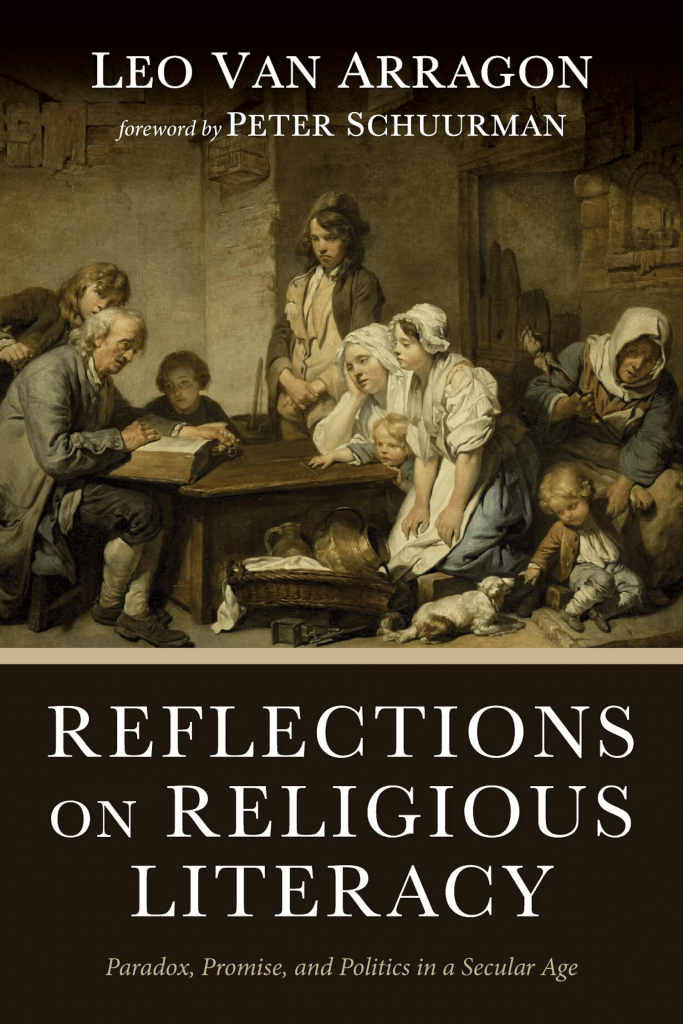
“Religious education and religious literacy live in the liminal space between questions and answers. When restricted only to the questions, religious literacy loses its relevance, remaining a matter of philosophical speculation detached from our bodied realities… when restricted only to the answers, religious literacy becomes only relevant to those within the tribe…”
- Leo Van Arragon, Reflections on Religious Literacy, p. 309.
“One way we manage religion in secular societies is by imagining a world divided between the religious and the secular, with religion consigned to private spaces and public spaces being defined as secular,” said Dr. Leo Van Arragon, the focus of this panel discussion on his recent book entitled Reflections on Religious Literacy: Paradox, Promise, and Paradox in a Secular Age (Wipf and Stock 2026). “Religion is awkward, an anachronism, left to the margins of educational respectability,” he added. “It’s more of a management problem rather than a full-fledged knowledge partner in the generation of public wisdom.”
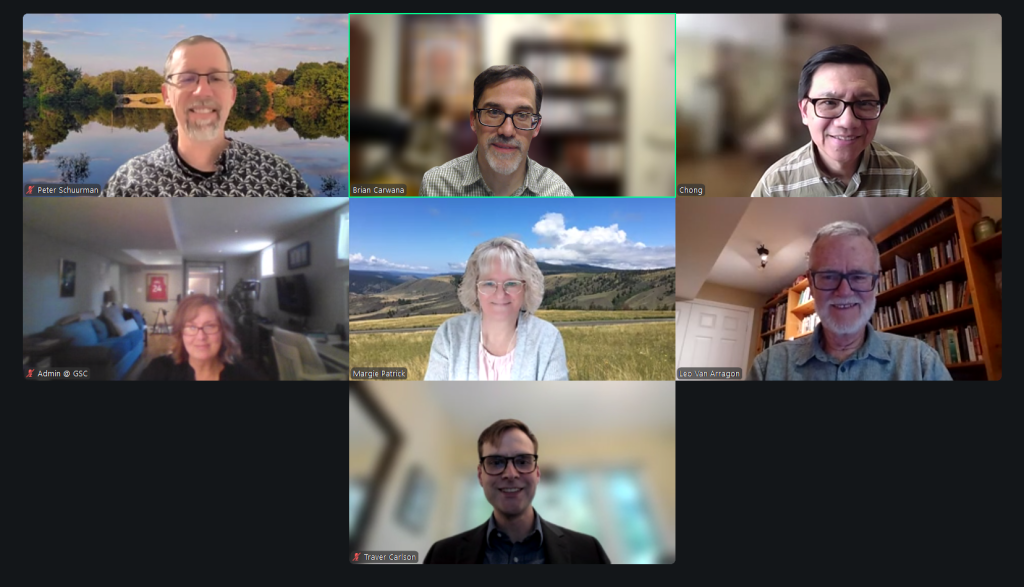
Van Arragon is a former Christian school principal who used his retirement to write a PhD at the University of Ottawa on religious education. He was joined by panelists Brian Carwana, Traver Carlson, and Margie Patrick—all specialists in religious education. Hosted by myself as ED of Global Scholars Canada, the webinar took place on June 4th 2026 was entitled, “The 4th ‘R’ in Education: Why Religious Literacy is Imperative for our Polarized World.” I wrote the forward to Van Arragon’s book because his insistence on the imperative of religious education at all levels of schooling resonated with GSC’s mission to be a Christian voice and ear in a pluralistic university culture.
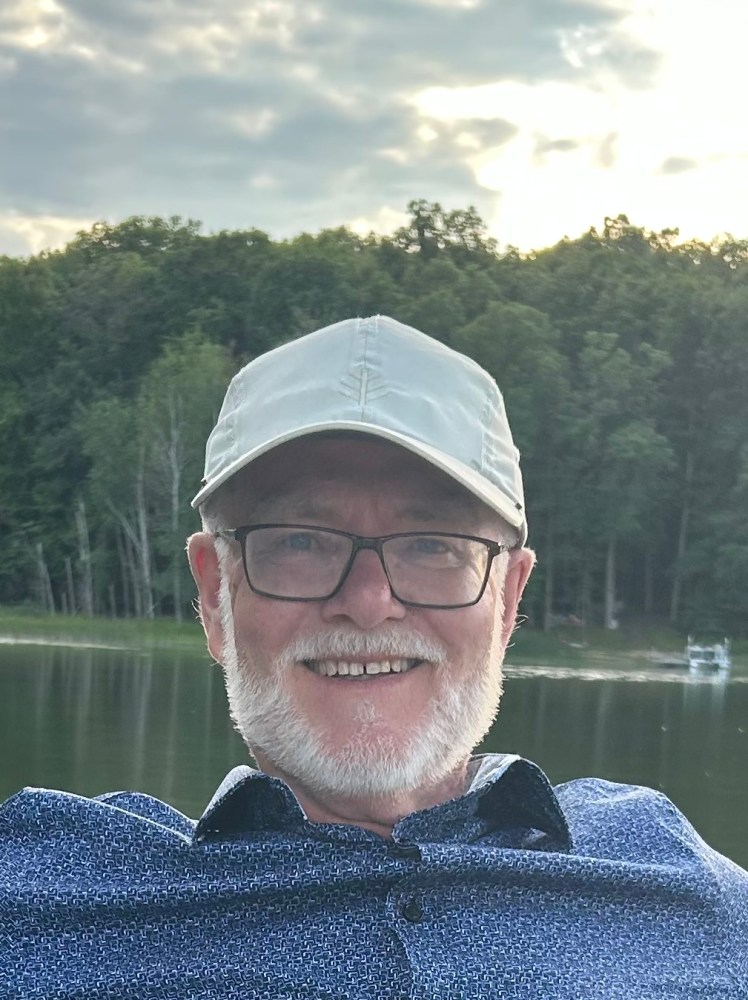
In his opening remarks he stated that the secular paradigm has “outlived its usefulness in history” and that religion addresses a universal capacity to reach for transcendence, and orient ourselves in time and space. “Students are on a spirit quest,” he insisted, “and we do them a disservice if we pretend that they’re not wondering about the big questions of life… In short, we are all religious, and all education is faith-based.”
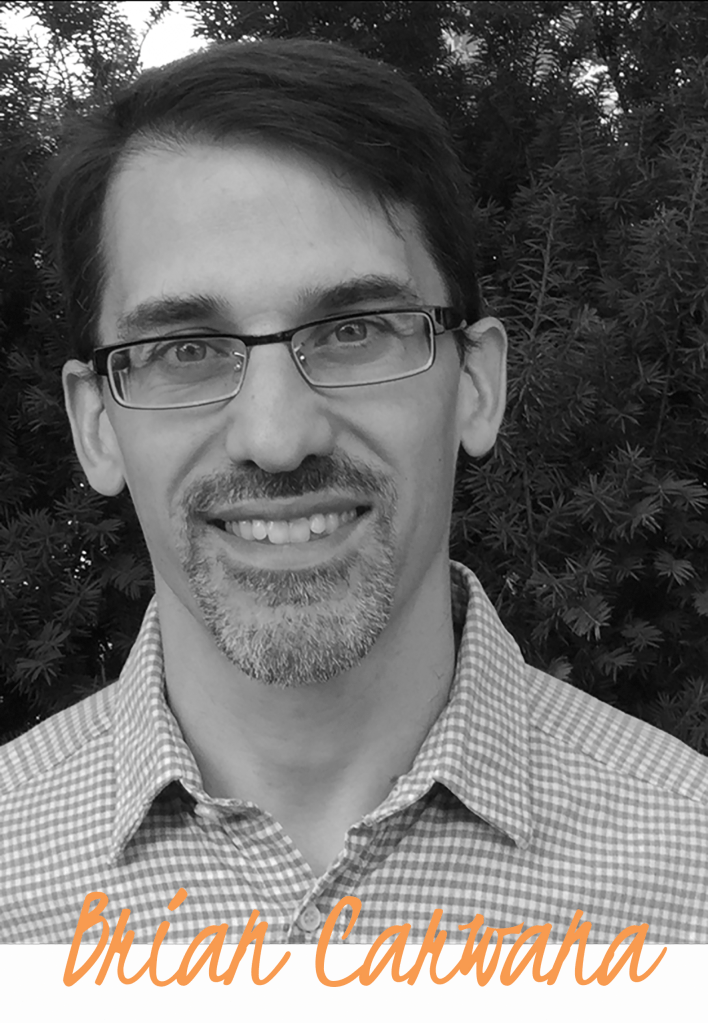
“But there are always trade-offs,” said Dr. Brian Carwana, executive director of Encounter World Religions, and blogger at www.religionsgeek.com. He said that majority religions have historically always marginalized religious minorities. He insisted that religion is a deeply emotional phenomena, and is often more than some philosophical “ultimate concern.” In fact, it can be highly controversial, and when critically examined in a classroom, may get antagonized. Consider that parents may not appreciate having their commitments to the caste system, patriarchy, religious nationalism or Israel being questioned in their child’s school. “There may be some forms of conflict in the classroom,” said Carwana, “that I wonder if schools are equipped to handle.”
Why Are We Learning This?
Traver Carlson is a philosophy of education student at the Institute for Christian Studies in Toronto. He talked about his PhD research on “how the little things we do in school add up and shape us.” He mentioned the question, “why do we have to learn this?” that students often ask, and that a key educational task is formation towards some bigger picture, some larger collective purpose, like Ontario’s public school initiative toward “togetherness.”
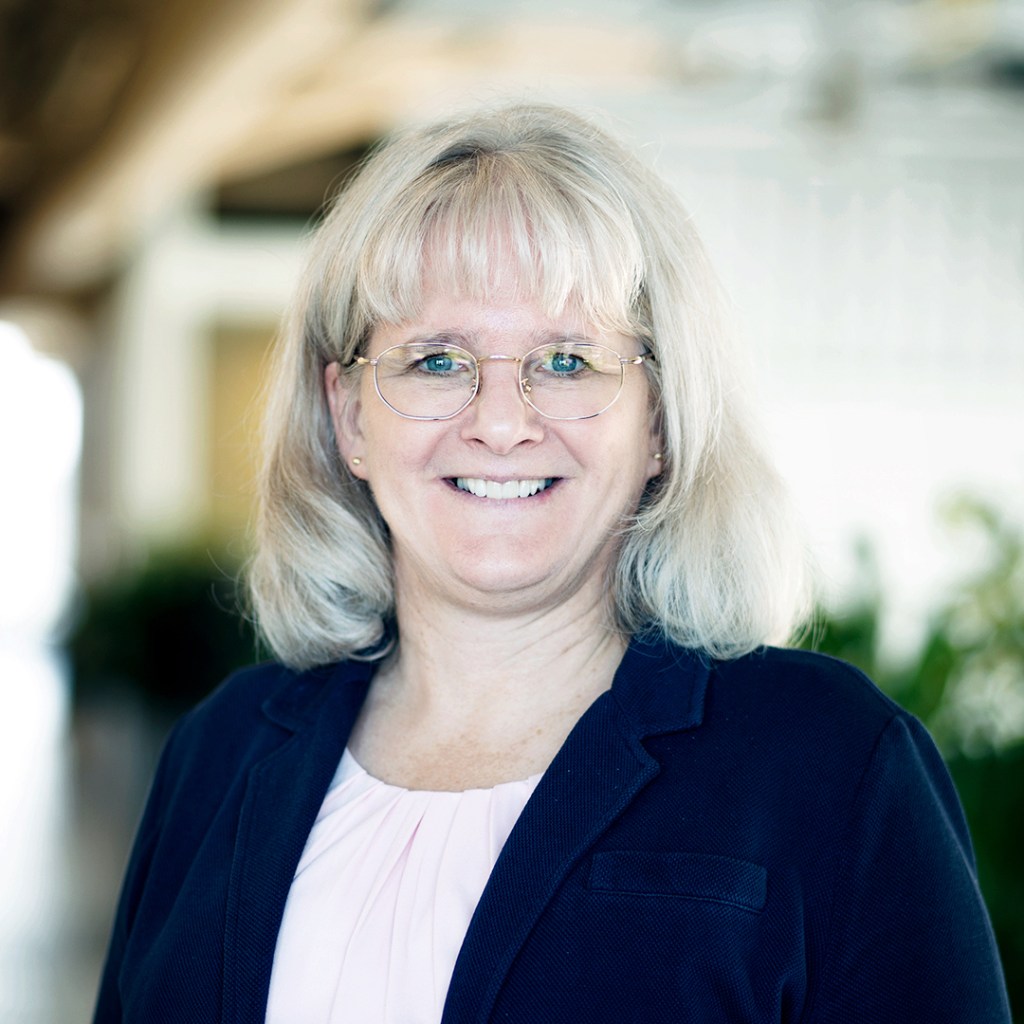
Dr. Margie Patrick is an education professor at King’s University, Edmonton. She shared examples from Alberta’s schools that demonstrate the limits of secularism. She explained how religion was initially included in the K-6 curriculum but basically followed a university-level pedagogy. It was later removed due to public opposition (“religion causes harm”), and to a large degree as a consequence of lack of consultation with teachers. She also relayed a story of Sikh students sharing about their faith on a school “culture day” but being sent home by the principal with the reasoning that “This is a culture day, not a religious day.”

“How can any of us say ‘This little part of my life is religious’?” asked Patrick, “and put it aside when we go into public spaces? It is impossible.”
Secular is Not Neutral
Van Arragon conceded that implementation is a difficult matter, but he wants to critique the current system from a conceptual level. He argues that religion needs to be decolonized from all reigning imperialisms. “Secular thinkers today are realizing secularism is not neutral,” he said, rhyming off a list of such thinkers including Talal Asad, Justine Ellis, and Liz Buchar. “There are some really interesting conversations going on,” he added, suggesting that the paradigm is changing, and institutions are slowly catching up.
Brian Carwana responded by appreciating Van Arragon’s book, saying he “has a lot of concerns about ideological secularism and the marginalization of religious people.” Yet he said that some “shared basis for arguments” and “practical working compromise” with a “lowest common denominator” was necessary, and the best he can imagine remains a “modus vivendi secularism.” Peter Jones in an article entitled “The Political Theory of Modus Vivendi” (Philosophia, 2017) describes modus vivendi according to its advocate John Horton as “a device for managing the differences that characterize modern societies, especially when those differences generate ‘deeply divided’ societies.”
He further explained a notion from Naomi Goldenberg that argues religions are really “vestigial states.” Many religions were once states and they have an ambition to be states again, seeking sovereignty not only over pockets of private life, but over public life as well. This inevitably leads to the ebbing away of protection for minorities and such rights as free speech. He gave examples of India, Indonesia, Hungary and Turkey, saying “as countries become more religious, things get worse for minorities and for gays.”
Carwana expressed deep sympathy for religious liberty and distanced himself from policies in Quebec. Yet he maintained: “Being a devout religious conservative in a liberal democracy is better than being the wrong religion in a religionizing state. Liberal democracy may sometimes be unfair, but has to be. It aims to give some freedom, but it also has to contain its rival for sovereignty.”
He then paraphrased Churchill’s quip on democracy: “liberal secularism, a modus vivendi secularism, is the worst possible system, except for all the others.”
Religion as Wisdom and Stories
Traver Carlson brought it back to the “what and how” of the classroom. He said religious schools can provide a different bigger picture for education than the current economic model of human beings as mostly consumers. Drawing on Van Arragon’s book, he spoke of a decolonized religious school that addresses the malaise and meaninglessness of the current system. Carlson has taught in Christian schools, and spoke of a place where “the immediate experience of the other is at the heart of learning religion in a way that is neither catechesis nor the mere teaching of religious facts.” He spoke of “religious literacy that occurs in relationships, in an environment of care and love.”
Wisdom, rather than just information, is the goal of this kind of religious education. “It’s a process of expanding our hearts and equipping our bodies for the service of others,” explained Carlson, “including those who cannot speak for themselves.”
Dr. Patrick then explained how classical liberal notions of personhood focus on the rational as primary, and this fuels our polarized culture. “We’re so much more impacted by the affective–by how we are shaped,” she argued. “We engage the world by how we have been formed.” Then students go onto the internet, where algorithms deepen their views.
We would be much better served, she explained, “if public spaces and public institutions could be perceived as plural rather than secular, so that we do come to them understanding that there’s all kinds of worldviews and formations that are present here.”
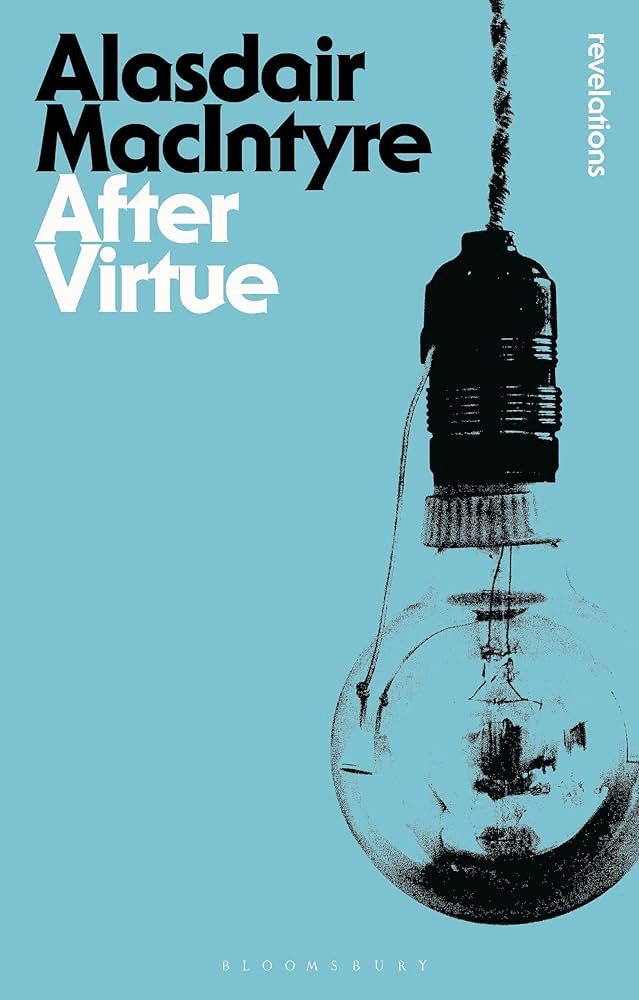
She ended with a quote from philosopher Alasdair MacIntyre: “I can only answer the question ‘What am I to do?’ if I can answer the prior question ‘Of what story or stories do I find myself a part?’”
People Start Wars, Not Religion
The questions from the audience helped clarify terms. When worldview was proposed as an alternative to religion, Van Arragon said that worldviews are broad and constructed by our gender, nationality, etc, but “religion is who we are.” Religion is more basic to our identity.
“What about all the religious wars?” an audience member asked. Van Arragon said religions don’t clash, people do. “Religions don’t do anything by themselves,” he said. “People do things with religion.” Human history is full of fights over territory, language, gender. “I’m not sure if I would want to identify any particular knowledge category as the source of conflict. It can be a vehicle, it can be a rationalization for conflict. Religion is not unique in that sense.”
Van Arragon was then asked to respond to Carwana’s contention that secularism provides what individual religions cannot. Van Arragon then spoke of history and the key role that secularism has played in making space for diversity. But ideological secularism is the new dominant power, embodied in the state. “Can we limit the power of any one institution to impose itself on the world?” he asked. The way institutions creep toward totalizing power—”that’s not unique to religion,” explained Van Arragon. “That’s true of any institution that develops a privileged position and is seen as the antidote to what happened before it.”
“Some institution is going to be sovereign,” Carwana pushed back, “and the majority will like it and the minority will not. I lean towards modus vivendi secularism as the most generous to its losers.”
Competition and Canvassing
Then a discussion of the virtues and vices of religious competition surfaced. Van Arragon invoked “a kind of civility in which ideas can compete,” recognizing that it “can become destructive. But at the same time, that engagement with ideas with which you might be unfamiliar, with which you disagree, can be very useful.” He then spoke of his graduate school experience, and how conversations with different people brought some blind spots to light. “Have you thought about this?” was often the precursor to some new insight.
“And so, in a way, the competition was inside me, but it was also within the context, and it was safe, it was good,” concluded Van Arragon. “And it changed the way I thought about things. It was both destabilizing, but also very stimulating. For me, that was education at its best.”
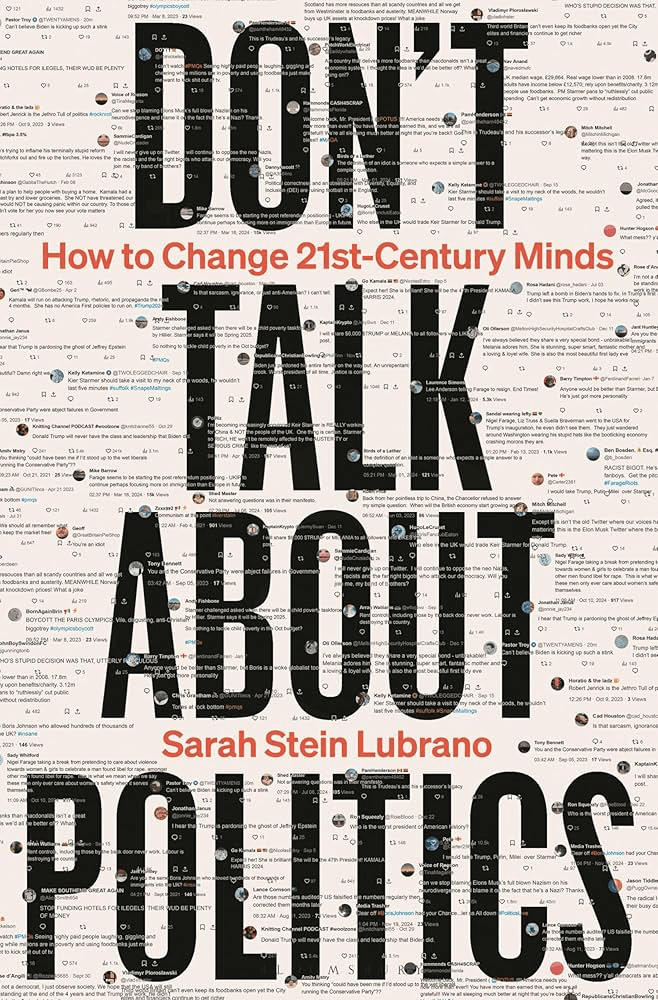
Carlson then brought up the book Don’t Talk About Politics, How to Change 21st Century Minds by Sarah Stein Lubrano. She says in an election, door knocking for your party and trying to convince people on their porch has a very low success rate. But what she called “deep canvassing”—where you get invited in as a guest, and listening to people’s stories—has shown to be effective in changing people’s perception of a certain policy. “This is not competition,” said Carlson, “it’s more like friendship, embrace, or love. It is an invitation to an encounter and response.”
“Competition, and critical thought can be damaging when we weaponize them,” agreed Van Arragon. He then told a story of an encounter with a transgendered person. “When we turn those critical tools on ourselves, and allow other people to enter our lives that way, then they’re life giving. In religious traditions, we call that self-examination.”
Van Arragon spoke of the reverse, too: how his Christian faith and long-standing marriage to his wife were positive challenges to secular others in graduate school. “We can be gifts to each other,” he added. “Schools at their best can be those kinds of places.”
Carlson continued to press on the notion of competition as problematic.
“Fear does funny things to people, and to communities, especially when they perceive a loss of privilege,” said Van Arragon. “As a Christian, I take things from the Bible, and one of the things you read constantly is ‘Do not be afraid.’ It is the anxiety, the fear today that is toxic, and so in that case, competition can be toxic.”
There was further discussion on the use of a “great books” approach to studying religion, the use of case studies in the classroom, and some of the liabilities and promises of AI. Patrick argued that religious ideas should be grade-level appropriate, and integrated across all subject areas rather than separated into a distinct course.
One attendee to the webinar wondered in a post-event review: “The very matter of teaching religion, even today, raises questions for me. I am not convinced you can teach religion without engaging in it, any more than you can learn mathematics without doing it.”
Note: Views on my blog arise in league with my work for Global Scholars Canada (GSC), where I am Executive Director. The writing here, however, does not represent the official position of GSC. GSC supports Canadian Christian scholars to redemptively influence academia and students, especially in underserved countries, for human flourishing and God’s mission. If you wish to support our work at GSC, you can donate at our page and designate it as “General Fund” and sign up for our quarterly newsletter. Thank you!

