
The United States is a diverse place, populated by people I would call brothers and sisters. We need to admit, however, that as a whole, the country is a loud and powerful presence on the planet. Especially for us Canadians, the US is our (formerly?) closest ally and only real geographical neighbour, and it is very hard not to be drawn into its cultural gravitational pull—the political antics, the celebrity spotlights, the commotion of sports, and the world’s largest military machine—it absorbs much of our attention. At times this is unconscious, involuntary, and even resented, but it is a fact of life here north of the border.
The recent surge of nationalism in the United States and the accompanying political turn inward is causing Canadians to re-think their international affairs. Punitive tariffs, import bans, and presidential challenges to Canadian sovereignty have pushed many Canadian citizens to shift their posture away from the USA and toward friendlier nations. My friends and family are vacationing elsewhere and foregoing conference attendance in the US. Prime Minister Mark Carney recently called for a “unique alliance” between Canada and Europe and the idea of Canada as an “associate member” of the European Union became a live conversation. We are looking elsewhere these days.
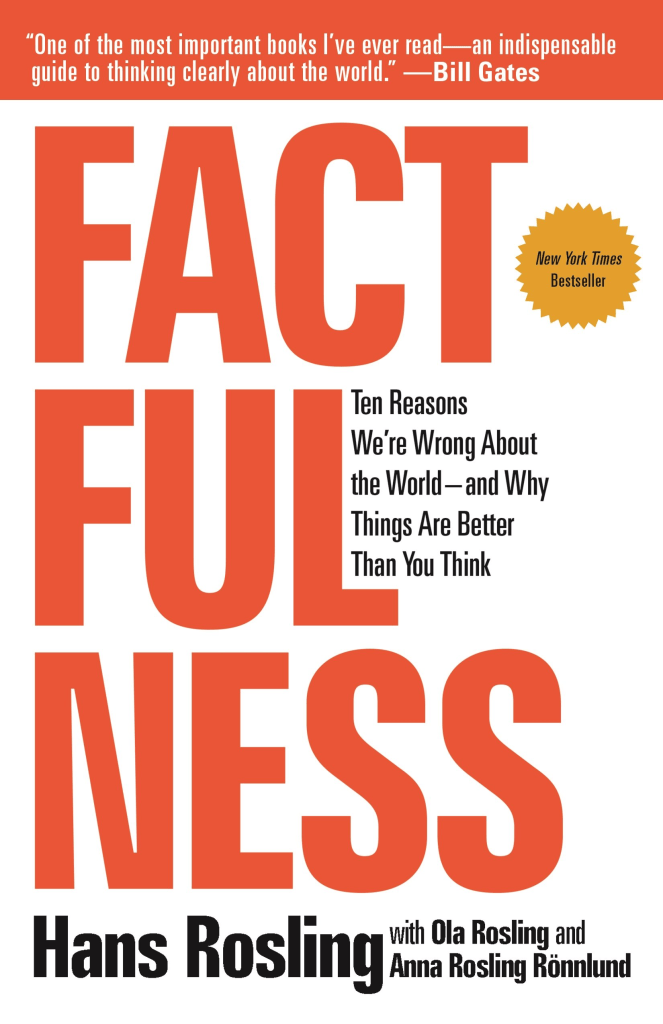
Where you turn your attention influences who you become. What you watch is like what you eat: and you are what you eat.
A Bigger World
I’m coming to realize from my perch at Global Scholars Canada that the North American conversation is a very small and sometimes isolated world. There are over 200 other countries in the world, speaking other languages, producing other films, and facing important ecological and political challenges. These nations are mostly older than ours, and with longer histories they may have wider and deeper perspectives worth our attention.
Attention is really the key concept here. Writer Chris Hayes wrote in the New York Times last year about what he calls attention capitalism, or the attention economy. Attention is the currency of the age, he argues, explaining that “our attention is a wildly valuable resource, and some of the world’s most powerful corporations extract it at scale in increasingly sophisticated ways, leaving us feeling like bystanders to our minds… Under this assault, it is easy to feel we are trapped in an age that leaves us no space to simply sit and think.”
Or we can turn our attention to people and things outside the default spotlight.
Here is problem: attention is “the substance of life,” he says. Its “where your conscious thought goes” and we are diverted by the buzz, boom and bing of what can be the American circus. It can be a distraction, even as we continue to depend on Americans for so much. And so many of them are friends and remain allies even if their administration acts otherwise.
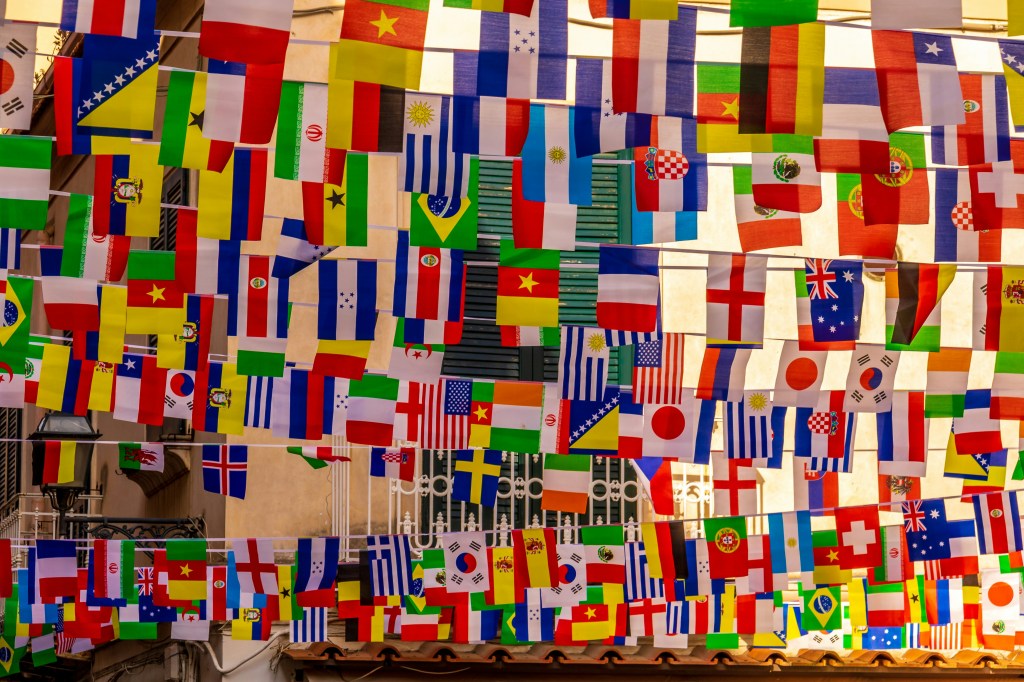
As a Christian, I’m beginning to see this moment as an opportunity. It is a disruption that reminds us that God’s presence and ministry flows through the entire planet, and the sun never sets on the church at prayer. The phrase “every tribe, tongue, people, and nation” appears seven times in the book of Revelation, suggesting that the struggle for truth and justice, in God’s future, transcends borders, oceans, and politics.
“Seek first God’s kingdom,” said Jesus, and that can mean your local village—or in an age of electronic media, the global village. We have the means to be attentive to almost anywhere on the planet, and maybe it is the majority world that calls for closer connections.
A Cosmopolitan Vision
The Prime Minister is right to turn his attention elsewhere, but it should not stop at Europe. We need to shift this most valuable currency of attention to a multiplicity of international locations and foster a deeper sense of cosmopolitanism—a world citizenship. Because God is already there, already working, and calling us to some form of cross-border solidarity.
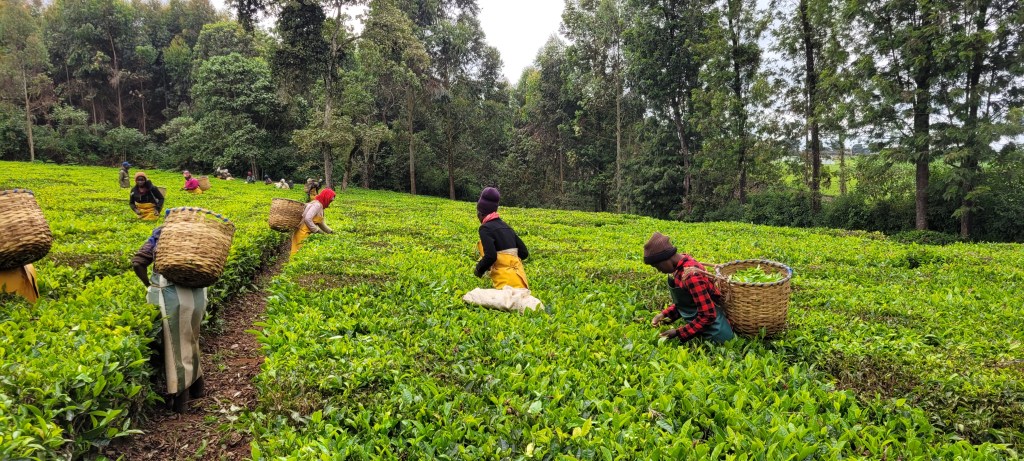
Paying attention to international news helps shape this global worldview. Watching international sports like FIFA opens our screens to wider venues. Getting involved in international mission organizations can connect us in personal ways to those who sometimes seem so far away and so different. Canadians, with our vast immigrant population, are well-poised to embrace a wider world.
It was my privilege to travel to Kenya this past summer and meet with 50 Christian scholars from 23 different countries, including China, Oman, Germany, Nigeria, and Chile. Each has a story, and each could articulate the deep hopes and fears of their country. And yes, American brothers and sisters were there, and they certainly are not nationalists (or they would not be so deeply invested in a global organization like the Society of Christian Scholars!). We share a common international mission, and we seek to distribute the ownership, leadership, and burden of organizational life. We are still learning how to do this well.
Attention is the currency of our age. Most of us only have around seven decades to share life on this great spinning ball in our modest-sized galaxy, and it behooves us to spend more time and energy thinking outside the default spotlight and beyond its algorithms.
Note: Views on my blog arise in league with my work for Global Scholars Canada (GSC), where I am Executive Director. My writing here, however, does not represent the official position of GSC. GSC supports Canadian Christian scholars to redemptively influence academia and students, especially in underserved countries, for human flourishing and God’s mission. If you wish to support our work at GSC, you can donate at our page and designate it as “General Fund” and sign up for our quarterly newsletter. Thank you!

